 Xóchitl Morales, Living Cultures Grantee
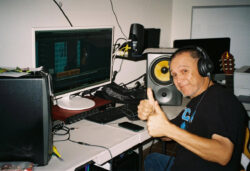 Juan Morales recording the Familia Morales album in his home studio. Photo by Xóchitl Morales.
A Digital Commons for the Next Generation
For decades, my father’s library of hundreds of transcriptions and original arrangements existed only as physical copies handed out to our students. As mariachi grows in public schools, the need for culturally responsive, high-quality resources has never been greater.
Through this project, we transformed these documents into a Living Digital Archive. By moving this collection online, we have created a free tool for educators who often lack access to quality, multi-level arrangements. Our hope is that this archive increases accessibility and ensures the musical integrity of mariachi education nationwide.
For access to the archive, please email [email protected].
Recording the Morales Sound
While our archive looks outward, we are also honoring the intimacy of our own musical lineage. With grant support, we began recording a Morales family album. This project focuses on capturing the sones, rancheras, and corridos we have worked to preserve, alongside my father’s original compositions and arrangements.
The album is a true community effort, featuring family members and alumni of The Mariachi Studio and Mariachi Juvenil Mestizo. When completed in early 2026, it will serve as a permanent archive of our family’s specific voice within the mariachi landscape.
Convivencia Mariachera: Reviving the Fandango
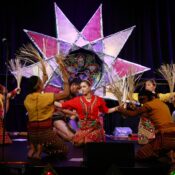
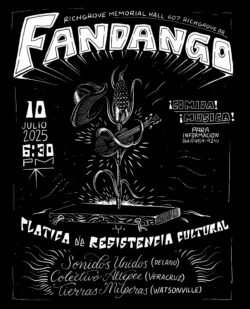
The heart of our work remains in our community, creating spaces where mariachi does what it has always done: bring us together. As a central part of our project, we returned to the tradition’s origins on the tarima (wooden dance platform) by hosting a community fandango (traditional community gathering centered on singing, dancing, and music) in Richgrove, California.
In July 2025, this gathering brought together nearly 100 people from across the state to celebrate our collective cultural resistance. We collaborated with son jarocho teachers from Veracruz (Colectivo Altepee), the farmworker collective Tierras Milperas, and our elders in the conjunto cuamilero Los Huizachitos to bring this traditional gathering to life. By sharing dishes harvested by the hands of community members and dancing on a tarima that echoed through the fields of the Central Valley, we weren’t just performing; we were reviving a communal way of life.
This is the essence of our work: reclaiming the participatory, rural roots of our music to empower the next generation.
Check out a short snippet of the Fandango in the video below:
Looking Ahead: A Living Legacy
These vital resources provided by ACTA through the Living Cultures Grants Program gave us a springboard for the future of our tradition and lineage. In early 2026, we will officially debut the Morales family album, marking a milestone in our effort to archive our family’s unique musical voice. Beyond the recording studio, our work continues through our community program at The Mariachi Studio. We are already looking forward to our next fandango, where we will once again gather on the tarima to re-ground ourselves in community. We remain dedicated to mentoring the next generation, ensuring that the songs and stories of our abuelos (grandparents) make it to the next generation.