 Muwekma Ohlone Preservation Foundation, Living Cultures Grantee
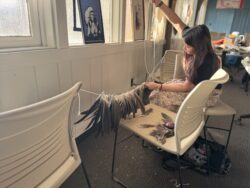
Our Chochenyo language classes, led by Language Revitalization Chair Bernadette Quiroz, brought together toddlers, youth, adults, and Elders every Wednesday via Zoom. Participants practiced pronunciation, vocabulary, and conversational skills while also engaging with the new online curriculum developed through our partnership with 7000 Languages. For many, this was the first time they heard or spoke their ancestral language in a structured and supportive environment.
On Mondays, Muwekma University with Professor Mike Wilcox, offered a space for tribal members to learn our history from an Indigenous perspective. Youth and adults studied Spanish contact, resistance, survival, and the stories of their own families. These sessions helped participants understand not only what happened to our people, but how we have endured and how we continue to assert our presence today.
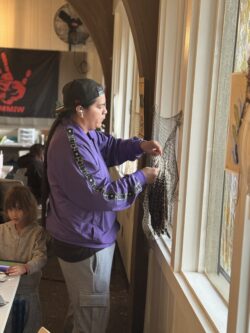
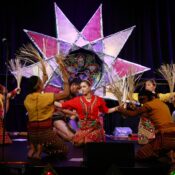
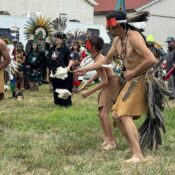
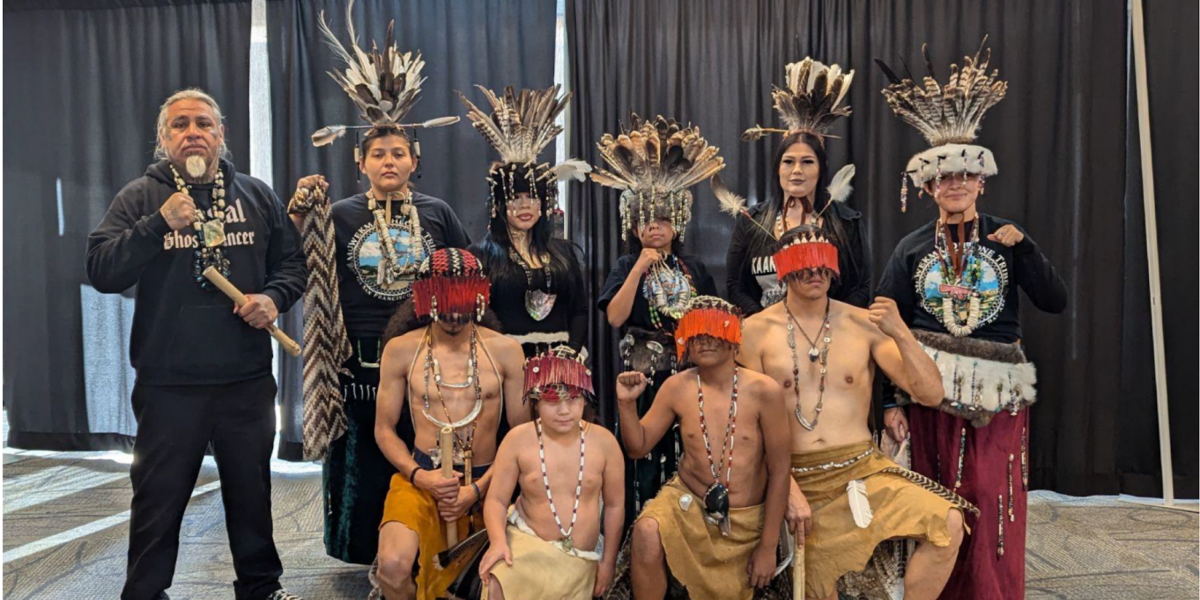
Our Sunday ceremonial dance and regalia classes, led by Culture Bearer Joey Iyolopixtli Torres (Muwekma Ohlone), created a space for learning not just dance, but connectedness and most importantly, how to come in a good way. Youth learned songs, dances, and protocols that prepare them for participation in ceremonies. Adults reconnected with teachings they had not had access to in their own childhoods.
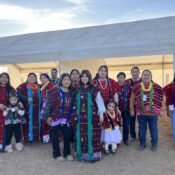
The most important impact of this grant was the way it supported Muwekma youth. Many of our young people are growing up in urban environments where Indigenous identity is often misunderstood or completely invisible. Through these programs, they were able to learn directly from their Culture Bearer and other Tribal leadership, hear their language spoken, and participate in ceremonies that affirm who they are.
Youth expressed pride in learning dances and songs. They asked questions about their ancestors. They practiced Chochenyo words at home. They showed up week after week because they felt connected to their culture and to their family.
While we originally proposed creating a digital archive of songs and dances, community feedback guided us toward a different approach. Many tribal members expressed concern about sacred knowledge being recorded or shared in ways that could be misused. We listened. We adapted. And we reaffirmed that cultural protection is as important as cultural preservation. This shift was an important lesson in relational accountability, and since then, we have thought more about how to make the digital archive a possibility in a way that makes the Tribe feel safe.
The impact of ACTA’s Living Cultures grant extends far beyond the grant period. It has strengthened our foundation, deepened our relationships, and created momentum for long term cultural revitalization. Additionally, ACTA’s support helped our organization secure additional funding, including a three-year general operating grant from the 11th Hour Project. This stability allowed us to continue weekly programs, develop new language materials, support our cultural leaders, and hire our first full-time employee. Having dedicated staff capacity has transformed our ability to coordinate programs, respond to community needs, and sustain the momentum of this work.
For Muwekma, culture is not simply a performance or a project. It is a living expression of who we are. ACTA’s support helped us create spaces where that living culture could flourish in workshops, in ceremonies, and in family homes. We are deeply grateful for this partnership and for the opportunity to continue this work with care, humility, and commitment to the future of Muwekma.