Profile
Shefali Shah
Bomba, Puerto Rico’s oldest art form, originated in the 17th century as a form of communication, rebellion, and relief by enslaved Africans on the coastal sugar cane plantations of the island. Bomba is a result from Spanish colonization, which brought African as slaves to work plantations. The resiliency of the…
Profile
Marcelo “Cadeirinha” Pereira
As part of ACTA’s Apprenticeship Program in 2006 Marcelo taught Isis Raele, his step-daughter, the art of capoeira. Capoeira is the only indigenous martial art of the Americas and was developed by enslaved Africans in Brazil. Mestre Pereira started playing capoeira on the streets of São Paulo, Brazil, as a child and…
Profile
Los Diablos de Nuu Yuku
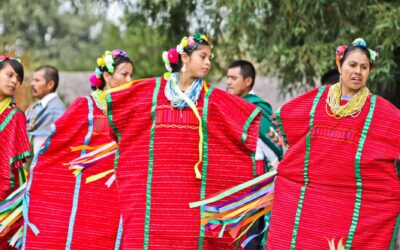
After citizens of the town of San Miguel Cuevas, Oaxaca, Mexico migrated and settled their families in the Central Valley, many became concerned that their children would not be exposed to their indigenous roots leading to cultural extinction. In 2001, community members came together to discuss how they can continue…
Profile
Sinfonia Mexicana
Sinfonia Mexicana, is a non-profit organization located in San Bernardino which began in 1985 to educate the public about the symphonic repertoire of Mexico’s composers. Today, they also maintain an active youth program, the Sinfonia Mexicana Youth Academy, providing music education to over…
Profile
Tejidos Purépecha
The origins of Tejidos Purépecha project began in the Eastern Coachella Valley as a collaboration with the residents, ACTA, and Building Healthy Communities (a project of the California Endowment). In an effort to promote health and well-being, an on the ground approach employed by ACTA asked the indigenous Purépecha, whose…
Profile
Jeorgina Martínez
Food is always central to any gathering of significance, and the preparation of regional celebratory food for special occasions such as a wedding, a patron saint day, or other religious holidays, is assigned to those invested in keeping vibrant the regional flavors. In Juxtlahuaca district located within the Mixteca region…
Profile
Luis Morales Ortiz
In Mexico there exists an incredible diversity of dance traditions from the son jarocho from Veracruz, to the redovas of the northern states, to the jarana tradition in Yucatan, many of which are often included as part of the nation state identity and as part of the ballet folklorico presentations.
Madera, California, boasts a large Oaxacan community who are largely agricultural workers. The community has recognized that back strap weaving is one of the many traditions of the indigenous communities in Oaxaca, Mexico, that is almost non-existent with the move to California. A natural context of learning to weave from…
Profile
Grupo Folklorico Huaxyacac
Grupo Folklorico Huaxyacac is folkloric dance group performing the regional dances of Oaxaca, Mexico. The performing group was founded in 1989 by the Regional Organization of Oaxaca which, two years earlier, introduced to California the first Guelagetza celebration which is a well-established and beloved event in their home state. Today…
Profile
Oaxaca Tierra del Sol
La Guelaguetza