Themba Mashama
Capoeira Regional and Capoeira Angola
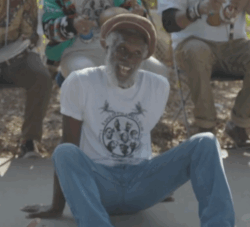
Mestre Themba Mashama is the first American recognized as a master in both Capoeira Regional and Capoeira Angola. He is a cultural educator and community builder whose path bridges Afro-Brazilian tradition and African American experience.
He began his capoeira journey in the United States through Capoeira Regional, training under Mestre Acordeon, before committing himself to Capoeira Angola and studying under Mestre Moraes in Salvador, Bahia. Through years of disciplined training, immersion in Brazilian culture, and deep respect for lineage, he developed a practice grounded in rigor, humility, and responsibility to the art’s ancestral foundations.
In the United States, Mestre Themba founded N’Gola Preto Velho, a Capoeira Angola school rooted in cultural education, intergenerational learning, and service to the community. His work extends beyond capoeira classes to include mentorship, historical study, and the creation of spaces where students can reconnect with identity, purpose, and collective responsibility. He is especially known for his emphasis on ritual, ancestry, and ethical responsibility within capoeira.
Respected for his clarity, steadiness, and integrity, Mestre Themba represents a lineage faithful yet locally grounded expression of Capoeira Angola, one that honors the past while forming leaders capable of carrying the art forward with dignity and care.
N’gola Preto Velho Website
N’gola Preto Velho Instagram
Apprenticeship Program

2025
Brian Shields will deepen his practice in Capoeira Angola through focused apprenticeship training under the mentorship of Mestre Themba Mashama. This apprenticeship centers on developing the full range of technical and ceremonial skills required to hold and sustain a traditional roda, including tuning and playing the berimbau and bateria instruments, leading songs, and maintaining rhythmic structures that guide movement and emotion. The apprentice will also train in ceremonial leadership—preparing and sanctifying the space, upholding sacred protocols, and reading the energy of the roda to balance its martial and spiritual dimensions. The apprenticeship culminates in a free, community roda in the Inland Empire, demonstrating the transmission of ritual knowledge, musical precision, and cultural philosophy essential to preserving Capoeira Angola for future generations.