Lisa Morehead-Hillman
Northern California Indigenous Basketry
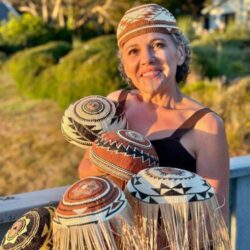
Lisa Morehead-Hillman (Karuk/Yurok/Shasta) is a Karuk Tribal Member and advocate for the preservation and perpetuation of cultural heritage. She holds a master’s degree in education and has developed and managed numerous projects for her Tribe, including the USDA NIFA–funded Karuk Agroecosystem Resilience and Cultural Foods and Fibers Revitalization Initiative.
In 2025, Lisa was recognized with the Community Spirit Award from First Peoples Fund for her commitment to traditional ceremonial cap making and land stewardship. She also applies her strong writing and communication skills to community outreach, policy advocacy, and securing funding for a wide range of educational, cultural, health, and environmental programs.
Knowledgeable in her Native language and cultural heritage, Lisa is deeply dedicated to the preservation, propagation, and perpetuation of traditional knowledge and practice. In addition to her work as an educator and cultural advocate, she is a traditional basket weaver, a practice that reflects her ongoing commitment to sustaining Karuk cultural traditions across generations.
Apprenticeship Program
2025
Northern California Indigenous Basketry with apprentice Maggie Peters
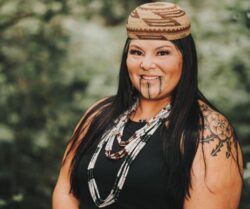
Maggie Peters (Yurok/Karuk) will advance her practice in ceremonial cap basketweaving through a focused apprenticeship under the mentorship of master weaver Lisa Morehead-Hillman. Maggie has been a mentor in the Apprenticeship Program in 2014, 2018, and 2023 teaching Yurok, Karuk, and Hupa baby basket weaving. This year’s apprenticeship centers on preserving and revitalizing the traditional cap-making practices of the Yurok, Karuk, and Hupa tribes by developing mastery in closed weaving structures, shaping, and detailed overlay designs using traditional materials such as bear grass, maidenhair fern, and woodwardia fern. The apprentice will also train in material gathering and preparation, while learning to uphold the spiritual and cultural protocols essential to the creation and use of ceremonial caps. Through completing a traditional work cap and preparing to teach others, the apprenticeship supports intergenerational knowledge transmission, cultural sustainability, and the strengthening of women’s leadership within Northern California Tribal communities.