Profile
Salvador Ramírez
Salvador Ramírez learned how to play the guitar and violin from an aunt in his hometown of San Juan Mixtepec, Oaxaca, Mexico. He has been playing Mixtec (indigenous Oaxacan) chilena music for over twenty years, and is often invited to play at baptisms, weddings, and community festivals throughout Central California.
Profile
MESTO
For the past decade, MESTO (Multi-Ethnic Star Orchestra) has engaged the Arabic community in Southern California by providing high-quality concerts, live events, and educational programs. MESTO combines the melodies and rhythms of the Middle East within a Western symphonic setting, creating a unique blnd of these musical traditions. MESTO accomplishes…
Profile
Zhena Folk Chorus
The mission of Zhena Folk Chorus is to perpetuate the tradition of choral music and culture of Eastern Europe and beyond, to heighten awareness of this beautiful and vigorous heritage, and to signify the primary role of women in preserving these important genres of world music. Based in San Pedro,…
Profile
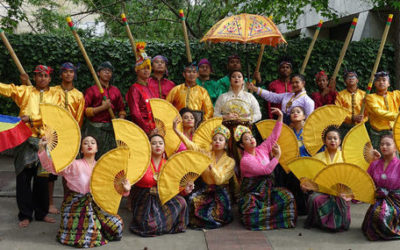
Little Manila Rising
Filipino American arts, culture, and advocacy
Profile
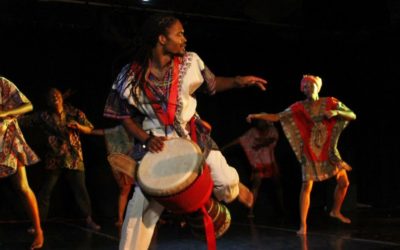
Kahlil Cummings
West African Traditional Djembe and Dunun
Cantonese Opera Association-Silicon Valley, a nonprofit organization established in 2001, is a presenter and educator of the most well-known and popular type of Chinese Opera. There are over 300 different opera styles in China, relative to the region from which they originate. Cantonese opera music is a blend of classical…
Profile
Nutgiin Ayalguu
Orgilsaikhan Chimeddorj, Ulziisaikhan Lkhagadorjv, and Otgonbaya Chunsraikhachin — members of the Mongolian traditional music ensemble Nutgiin Alyaguu — graduated from the Music Conservatory of Mongolia, the country’s most prestigious music school. Ulziisaikhan Lkhagvadorjv is a particularly well-known and respected performer; he is proficient in five Mongolian instruments and the rare…
Profile
Fua Dia Congo
Fua Dia Congo, founded in 1977, is guided by a Kikongo proverb, Wa Dia Fua Yika Dio, meaning “What you inherit, you must add value to.” For forty years the organization has been resolute in its dedication to preserving and presenting the music, dance, cultural arts…
Profile
Claudia Lyra
Claudia Lyra has brought Brazilian culture to others since she moved to US in 2003. Claudia trained in Brazil in capoeira (a Brazilian art form that can be practiced as a martial art or a dance, and its accompanying music). Claudia is also an accomplished percussionist, studying traditional Brazilian percussion…
Profile
Community Music Center
San Francisco’s Community Music Center’s mission is to make music accessible to people of all ages, musical levels, and financial backgrounds. Their students range in age from one to 90+ years old and enjoy classes in everything from Western classical to Chinese to Latin Music. Community…