2026-27 Grant Cycle Program Information
Important dates to know:
Application opens: March 3, 2026
Application closes: April 27, 2026
Grant notifications: August 2026
Grant period: September 1, 2026 – August 31, 2027 (12 months)
Information Sessions:
ONLINE Info Session, Friday March 6, 2026.
Four in-person meetings will take place between March and April 2026!
Dates and locations will be shared here and social media.
Who can apply?
The grants are open to individuals, organizations, community groups, and Tribal Nations who practice traditional arts.
Folk and traditional arts are part of a community’s daily life and culture. They come from groups of people who share a common background, such as language, history, beliefs, work, or place. These art forms are learned and passed on from one generation to the next through families, elders, and community members. By learning together, practicing, and sharing skills, these traditions stay active, grow over time, and continue to support strong communities.
For more information about the folk and traditional arts, visit the Answers to Your Questions section.
INDIVIDUAL ARTISTS can apply for grants of $7,500.
An individual artist may apply if they meet all the following rules:
- Live in California and provide proof of residency (such as a utility bill or driver’s license)
- Be a traditional artist or culture bearer who has practiced their tradition for at least five years
- Be 18 years old or older.
- Be able to receive taxable income in California, with a Social Security number or a taxpayer ID
ORGANIZATIONS/COMMUNITY GROUPS/TRIBAL NATIONS can apply for grants of $10,000.
An organization in California may apply if it meets one of the following rules:
- Be a nonprofit organization with 501(c)(3) status with
- An annual budget under $500,000
- Be a community group without nonprofit status
- Works with a California-based 501(c)(3) fiscal sponsor (A fiscal sponsor is a nonprofit organization that handles the money and reports it to the government for a small fee.)
- Be a cultural program of a Tribal Nation
- Includes tribes that are officially recognized by the federal government.
Tribal Nations not officially recognized by the government can still apply if they work with a nonprofit as their fiscal sponsor or have their own nonprofit.
For more information on fiscal sponsors, see the Answers to Your Questions Section.
Other important rules to think about:
- Only one application is allowed per individual or group. You may not apply as both an individual artist and as part of an organization. Only one application will be accepted.
- People currently receiving funding from the California Arts Council or the William and Flora Hewlett Foundation may apply only if the Living Cultures proposal is for an entirely different project.
- Applicants who have not completed the final reports for a past ACTA grant are not allowed to apply.
The Living Cultures Grants support projects that help folk and traditional arts continue, grow, and remain active within their communities. These grants recognize that community knowledge lives through teaching, care, and practicing together over time.
We support projects that:
-
- Help traditions stay strong through learning and practice
- Keep traditions alive with the right tools and support
- Share your traditions with other people and groups
Projects can be meaningful no matter how many people take part. Some activities may involve a small group, while others may reach many people. What matters most is that the project fits the community and supports its traditions.
Examples to help guide applications:
Helping Traditions Stay Strong Through Learning and Practice
These projects focus on teaching, learning, and practicing traditions together. They also support the passing down of traditions within families and communities.
- Workshops and gatherings: These are events that bring together artists, teachers, elders, and leaders to share skills, what they know, have discussions, and work with their community.
- Classes for all ages: Programs where younger and older community members can learn together. Examples include after-school clubs, dance group practices, or summer camps.
- Teachers and travel: Support for paying instructors and culture bearers for their time and experience. The money may also be used to pay for travel costs related to this, as long as the travel is inside California.
- Note: If you want a private, one-on-one teacher, you should apply for ACTA’s Apprenticeship Program instead.
- Saving traditional languages: Projects that support the learning of languages that are in danger of being forgotten. This works best when the language is taught as part of an art project, such as basketmaking or a traditional cooking class.
Keeping Traditions Alive with the Right Tools and Support
These projects focus on what artists and communities need to continue their work.
- Buying supplies and renting equipment: Buying materials and supplies used to help finish projects during the grant year. However, money cannot be used to buy food. Equipment like special tools, cameras, or sound equipment may be rented if needed for the project.
- Recording your art: Projects may include documenting traditions by recording music, filming dances, taking photos, or writing down stories and memories of special community members. These recordings can help make it possible to share traditions with future generations.
- Making and caring for traditional works: Support for making new traditional items or taking care of older ones that are important to your culture. This includes conservation, which means taking careful steps to keep traditional materials or cultural works from getting damaged and helping them last longer.
- Helping artists or groups get noticed: Projects can include support that helps artists and groups grow, stay strong, and reach more people. This can include paying for help to make a website, a financial plan, or share the work with more people through marketing. These services can help more people learn more about your work.
- Getting advice from experts: Support from advisors or specialists who have special knowledge. These experts might be people like cultural experts who know how to repair traditional clothing or organize historical records.
Sharing Traditions with Others
These projects focus on sharing traditions through events, performances, or community gatherings.
- Public shows and events: Activities such as concerts, festivals, exhibits, or demonstrations in your neighborhood. These events invite the public to connect with each other and get excited about your art.
- Bringing people together: Projects that create ways for people to take part in the traditional arts. This can happen within one community or by bringing different communities together to help everyone understand each other better.
Each project must include a budget, which is a list that shows how the money will be spent. The grant money may be used to pay artists and staff, including the people who help plan and carry out the work.
Projects can also include overhead costs of 10% to 15% of the total budget. Overhead costs are basic expenses needed to run the project, such as printing, phone/internet, and other everyday expenses related to the project.
Groups that apply with a fiscal sponsor should also include the fiscal sponsor’s fee in the budget list. A fiscal sponsor fee is usually a small fee that helps cover the sponsor’s work in helping to manage the money and the official paperwork.
You cannot apply for less than the grant amount. The grant is set at exactly $7,500 for individual artists and $10,000 for organizations. If you have questions about how to plan your budget, you can sign up for a 15-minute meeting with a staff member to get help.
Please note: If you receive this grant, you must make sure everyone can take part in your project, including people with disabilities.
This rule applies to:
- All activities and services, including programs, events, and any information shared
- All locations and spaces, including buildings and outdoor sites where activities take place, as well as your websites and social media.
Please make sure your project is accessible to people who are Deaf or hard of hearing, blind, or have trouble speaking or moving. It also includes people with learning or developmental disabilities, as well as those with mental or chronic (long-term) illnesses.
In short, all projects must be welcoming and inclusive for all members of the community.
Living Cultures Grants do not support the following:
-
- Regular school classes: Projects that are part of normal school-day classes at K–12 schools (public, private, or charter) or colleges are not allowed. However, projects that happen after school or during the summer are allowed.
- College credit work: Projects cannot be used to earn credit toward a college or university degree.
- Traveling outside California: The money can only be used for travel within the state. Travel to other states or countries is not allowed.
- Raising money: Projects cannot be about raising money (fundraising). Charging fees to attend your workshop or event is allowed, as long as fundraising is not the main goal of your event.
- One applicant per project: Only one application is allowed for each project. For example, two groups cannot both apply for the grant to put on the same festival or event.
Applications are reviewed by a group of cultural experts that includes teachers, traditional artists, and others. These experts meet to talk through all applications. They work together to make sure the final list includes many different cultures, art forms, and locations across California. After their discussions, the group recommends which projects should receive the grants. ACTA’s Board of Directors reviews these recommendations and makes the final decision.
The Four Main Rules/CRITERIA for Review
Applications are reviewed using four main rules or criteria. Each rule helps reviewers understand the project and why it matters.
- Tradition and community connection looks at the cultural tradition used in the project and how it is practiced in the community today. Reviewers want to understand where the specific tradition comes from, who practices it, and why it is important to the community.
- Application Question:
Your Tradition: Describe your art and how your community practices it. Explain why it matters. (Max 250 words)
- Application Question:
- Artist skills and experience look at the skills and experience of the main artists or culture bearers involved in the project. Reviewers will look for strong knowledge of the tradition and the use of traditional methods or materials that matter to their community.
- Application questions:
- The Artists: List the key people involved, who they learned from, and what they have achieved. (Max 250 words)
- Work Samples: Share photos, videos, or audio that show your art in action
- Application questions:
- Project plan and impact looks at how clear and realistic the project is. Reviewers want to see clear goals, well-planned activities, and a budget that matches the work. They also look at how the project could benefit the community.
- Application Questions:
- Your Plan: Explain exactly what you will do, when you will do it, and how you will know if you were successful. (Max 300 words)
- Budget Form: A list showing how you will spend every dollar of the grant
- Letter or Video of Support: Include a short letter or a 2-minute video about you from a community member. They should explain how your work helps them or the community.
- Application Questions:
- Why it’s urgent looks at whether there is a strong reason the project needs support right now. This could be because the art or language is in danger of being forgotten, or because the people who know the tradition are getting very old. This could also be about how the tradition plays a special role in supporting the community with an urgent problem.
- Application question:
- The Urgency: Explain why it is important to fund this tradition right now. (Max 150 words)
- Application question:
- Project Summary: Briefly explain what you will do with the money. (Max 50 words)
- Your Tradition: Describe your art and how your community practices it. Explain why it matters. (Max 250 words)
- The Artists: List the key people involved, who they learned from, and what they have achieved. (Max 250 words)
- Your Plan: Explain exactly what you will do, when you will do it, and how you will know if you were successful. (Max 300 words)
- The Urgency: Explain why it is important to fund this tradition right now. (Max 150 words).
- Work Samples: Share photos, videos, or audio that show your art in action
- Budget Form: A list showing how you will spend every dollar of the grant
- Letter or Video of Support: Include a short letter or a 2-minute video about you from a community member. They should explain how your work helps them or the community.
Work samples are an important part of the application. They help reviewers understand the art practice, skills, and community context of the tradition. You should carefully pick samples that clearly show the most important parts of your skills of the main artists and project idea. These samples should reflect your creative expression, your methods, and the materials you use.
The type and number of samples depend on your art practice:
- Handmade Crafts, Cooking, and Spiritual Traditions: If you make traditional items, cook special family foods, or share community wisdom that is not a performing art, you can send 5 to 10 photos and 1 to 2 videos.
- Performing Arts: For arts like dance, music, theatre, or storytelling, you must send 1 to 2 videos (videos are preferred) or audio recordings. You can also add up to 5 photos.
- Other traditions: If your tradition does not fit into these two categories, pick the option that will best suit your work.
How to send your work samples:
You can send your files by uploading them directly to the application or by sharing a link to them. If your links are private, make sure to include the password so the reviewers can see them.
How is the program different from other years?
Before 2023, only groups could apply for the grant. Since 2023, individual artists can also apply for the grant on their own. Also, the amount of money given to organizations is now larger than in earlier years, but the same as in 2024.
What are the folk and traditional arts?
Folk and traditional arts are part of a community’s daily life and culture. They come from groups of people who share a common background, such as language, history, beliefs, work, or place. These art forms are learned and passed on from one generation to the next through families, elders, and community members. By learning together, practicing, and sharing skills, these traditions stay active, grow over time, and continue to support strong cultural communities. These traditions can include music, dance, storytelling, theater, traditional cooking, and hands-on cultural traditions.
California has many traditional arts because people from many cultures live here. Some traditions came from other regions or countries and took root in California. Others have been practiced for generations on Tribal lands.
Some examples are:
- Japanese bonsai trees
- Cowboy poetry
- Hmong embroidery
- Mexican mariachi music
- African American quilts
- Native American basketmaking and ceremonial dances
- Hawaiian hula and many other forms of music and dance from around the world
Who is a culture bearer or traditional artist?
Culture bearers are the people who keep their community’s traditions alive. They learn traditions through family, elders, or community teachers. They are leaders who pass this knowledge on by teaching, performing, or making cultural works. Some culture bearers use titles from their own cultures, such as basketmaker, jaranero (a musician who plays son jarocho music), or kumu hula (a hula teacher). In short, they are the people who work so that the community’s values and skills are not forgotten.
How many grants will be given?
The total amount available is $707, 500. ACTA expects to award 70-80 grants to help artists and organizations across California.
Can I ask for less than the full amount?
No, you cannot apply for a smaller amount. The grant is set at exactly $7,500 for individual artists and $10,000 for organizations. If you have questions about how to plan your budget, you can sign up for a 15 minute Zoom or phone meeting with a staff member to get help at this link: https://calendly.com/grants-actaonline/living-cultures-grants
What is a fiscal sponsor? (For organizations only)
A fiscal sponsor is an official non-profit organization with 501(c)(3) status that agrees to receive and manage the grant money for you. They handle the paperwork and report the money to the government (the IRS) for a small fee. This allows groups or organizations to finish their projects without having to start their own official nonprofit organization. While the organization applying for this grant must have a yearly budget under $500,000, the fiscal sponsor is allowed to have a budget larger than that. All fiscal sponsors must be based in California.
How can I find a fiscal sponsor? (For organizations only)
Many applicants work with local nonprofit organizations that share similar goals and values. You can research groups in your area to see if they would want to work with you. You can also talk to us to receive help in finding a fiscal sponsor. Below are some other resources you can look into.
National Council for Nonprofits
Fiscal Sponsorship (news, information, and resources on fiscal sponsorship)
National Network of Fiscal Sponsors
Do individual artists have to pay taxes on the grant?
Yes. Grant money received by individual artists is considered taxable income, which means that the money must be reported as income when you file your taxes. ACTA is required to tell the government (the IRS) about the money we give you by using a form called a 1099. You will also get a copy of this 1099 form to use when you do your taxes. Before you can receive any funds, you will be required to fill out a W-9 form. To be able to apply for this grant, you must be someone who is able to receive income that can be taxed in California.
Where can I get help with tax questions?
Free tax support resources are available through organizations such as California Lawyers for the Arts, the IRS, the Center for Cultural Innovation, and the Freelancers’ Union.
- California Lawyers for the Arts: They have video workshops about personal finance and taxes.
- The IRS: They provide tax information specifically for people who work for themselves (self-employed).
- Center for Cultural Innovation: They offer a series called “Business of Art”.
- Freelancers’ Union: This is a group that supports independent workers
How is my project evaluated? Who decides who gets a grant?
Applications are reviewed by a group of experts that includes cultural specialists and traditional artists. These experts meet to discuss all applications and make sure the final list reflects many different cultures, art forms, and locations across California. They will then recommend which projects should receive grants. Final approval is made by ACTA’s Board of Directors.
How long do I have to use the money?
The grant lasts for 12 months. You can use the funds between Sept 1, 2026, and August 31, 2027.
Can I apply as an individual artist and also with my organization?
No. Only one application is allowed for each person or group. A person may not apply as an individual artist and also as part of an organization in the same grant cycle.
What if I already have other grants?
If you or your group are currently receiving money from a grant by the California Arts Council (CAC) or the Hewlett Foundation, you can still apply for this grant. However, it must be for a completely different project than the one they have already received grant money for.
Can I apply for other ACTA grants?
Yes. It is possible to apply for other ACTA grants like the Apprenticeship Program. Each program has its own goals and rules, so please be sure to review them to see which opportunities best fit your work.
What if I don’t have a computer or internet?
If you cannot apply online, you can ask for a paper application by calling 213-346-3257 or have someone email [email protected]. Once you fill out the application, you must mail it to ACTA’s office in Fresno: 985 N. Van Ness Ave., Fresno, CA 93728. Make sure it is mailed by the deadline.
Is help available in other languages?
Yes, ACTA provides support in Spanish and other languages. If you need help in a language other than English or Spanish, please contact us by calling 213-346-3257 or emailing [email protected].
I need help. What should I do?
Please sign up for 15 minutes of one-on-one support in Spanish or English at this link: https://calendly.com/grants-actaonline/living-cultures-grants
If I receive the grant, what kind of reports do I need to send?
When your project is finished, you must send in one final report. Reports should be sent within 30 days after the grant period ends, but you can send it sooner if you finish it early.
Reports include a written summary that explains:
- What you are most proud of
- What challenges you faced
- Your future plans
- Total number of participants, workshops, and events
These reports are very important because they help ACTA show others why supporting the traditional arts is so valuable. If you have trouble writing the report, you can always ask the ACTA staff for help by emailing [email protected] or calling 213-346-3257.
How to get ready to apply:
In addition to your narrative responses and work samples, below are other items you will need to verify or upload. Before starting the application, it is helpful to gather materials ahead of time. Writing answers in a separate document first can make it easier to review and edit before submitting. Applications may be completed directly in Submittable once all materials are ready. You can edit your work in Submittable until you are ready to send the application.
INDIVIDUAL ARTISTS
Individual artists applying for this grant must provide all of the following:
- Proof you live in California: You must provide a document that shows your current address in California. This can be a utility bill, a lease, your voter registration, or your driver’s license
- Age: You must be at least 18 years old
- Experience: You must show that you have been practicing your art for at least five years. You can prove this through your written answers and the work samples you share.
- Tax ID Number: You must have a number that allows you to receive money that can be taxed. This can be a Social Security Number, an Individual Taxpayer Identification Number (ITIN), or an Employer Identification Number (EIN).
ORGANIZATIONS
Organizations, community groups, and Tribal Nations must provide the following:
- Proof of nonprofit status: You must provide official papers showing that your group (or your fiscal sponsor) is a registered 501(c)(3) non-profit, and Tax ID or EIN number.
- Tribal Nations: If you are a Tribal Nation with federal status, you will need to provide official IRS paperwork.
- Proof of California address: You must show a document from the last three months that proves your group is based in California. This can be a utility bill, a lease, or a bank statement. If you are using a fiscal sponsor, you need this for both your group and your sponsor. If your group doesn’t have an office or a mailbox, you can use the address of the person who leads your group.
- Organizational budget: The organization’s average income (the money you brought in) over the last three years (2023–2025) must not be more than $500,000. Note on Fiscal Sponsors: As mentioned earlier, your fiscal sponsor is allowed to have a budget larger than $500,000, but your own group must stay under that limit.
More About the Program
The Living Cultures Grant Program was developed in 2004 to provide project grants to California’s diverse cultural communities. Starting in 2023, we are able to offer individual grants through this program, along with expanded funding for cultural groups and non-profit organizations throughout the state to realize community-based projects aimed at strengthening a sense of place, fostering traditional creativity, and ensuring cultural traditions can continue now and into the future.
Through this grant program, ACTA supports artistic development, community engagement, personal wellbeing, collective energy, and the conservation of culture and history throughout California.
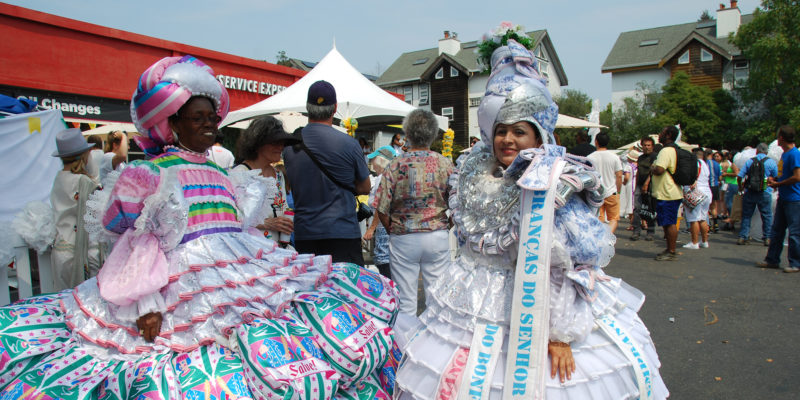
In 2017 ACTA funded the annual Lavagem festival organized by BrasArte, a nonprofit dedicated to the music and dance traditions of Brazil. Photo: Lily Kharrazi/ACTA.
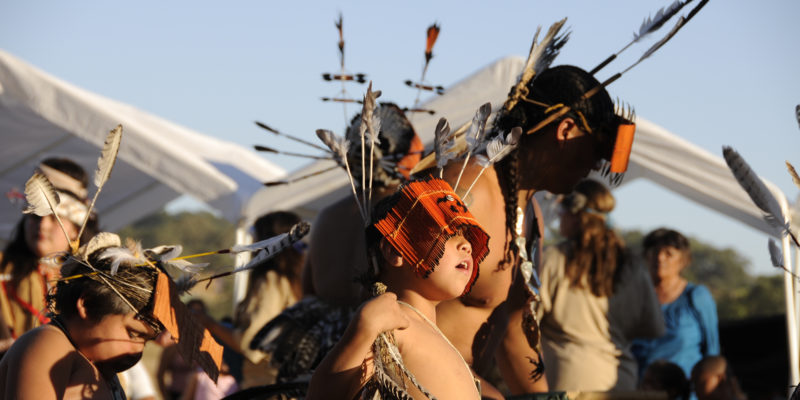
A 2008 Living Cultures grant supported the preparation, practice, and implementation of the Cloverdale Rancheria of Pomo Indians' traditional songs and dances by their then newly-formed dance group. Photo: Lily Kharrazi/ACTA.
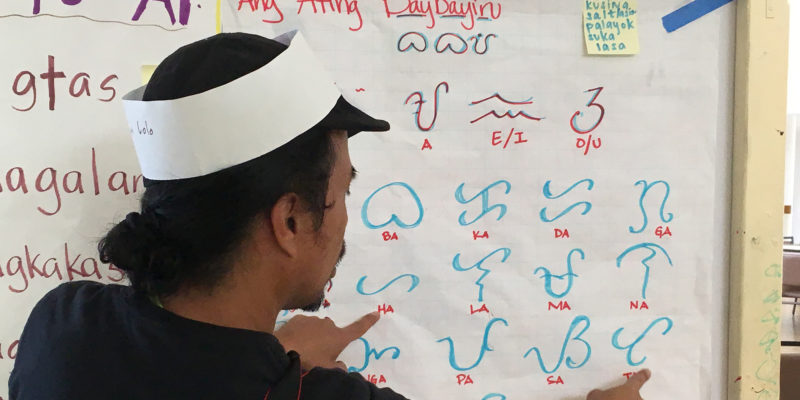
Tagalog language classes by the Sama Sama Cooperative, a 2016 Living Cultures grantee. Photo: Lily Kharrazi/ACTA.
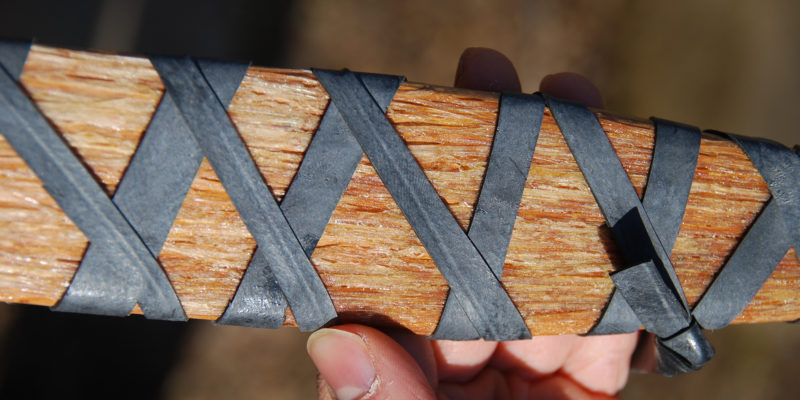
in 2009 the indigenous art cooperative Coyote's Paw applied Living Cultures funds to lead workshops in the construction of traditional sinew-backed bows. Photo: Lily Kharrazi/ACTA.
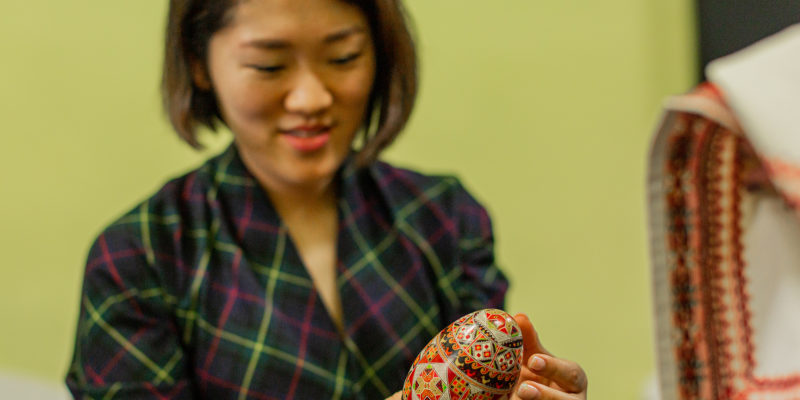
The Ukrainian Art Center of Los Angeles received funding in 2019 to produce workshops in traditional regional arts including pysanky, or egg-decorating. Photo: Timo Saarelma.
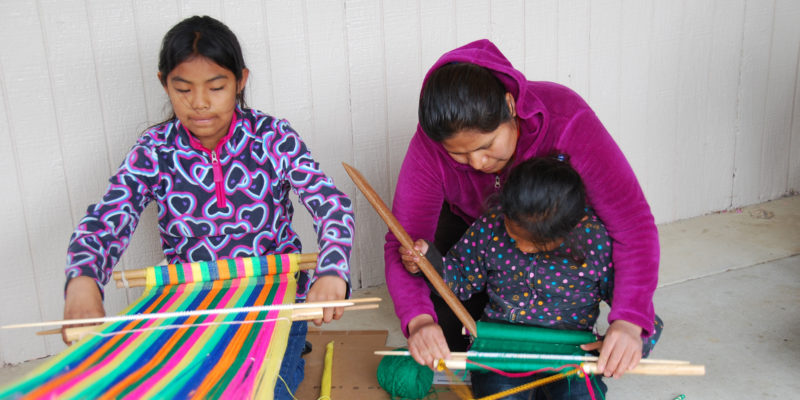
2011 Living Culture grantee organization Movimiento Cultural de la Union Indigena conducted a series of workshops in traditional music and weaving for the Triqui community of Salinas. Photo: Lily Kharrazi/ACTA.
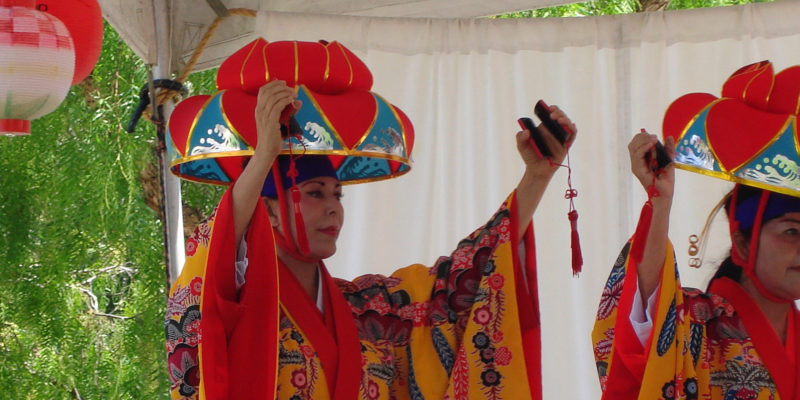
The 2010 Japanese Cultural Fair in Santa Cruz, supported by Living Cultures funds. Photo: Lily Kharrazi/ACTA.
Funders