Photo: Bryce Craig
Radley Davis
Traditional Sinew Backed Recurved Yew Wood Bow Building
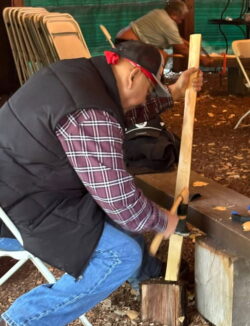
Radley Davis (Illmawi/Pit River) is known as a grassroots community activist, trainer, counsellor, artist, teacher, husband, father, and grandfather. His teachings are grounded in the Indigenous traditional culturally-based human and inherent rights movements. He lives in Bella Vista, CA and is the founder of the Indigenous Language Network, located in Northeastern California which supports the language and cultural revitalization efforts of the Pit River Peoples. He has spent 40+ years defending the rights of land, of water, of tribal cultures, and its peoples. Radley is a Board Member of many vitally important bodies, one such as the International Indian Treaty Council, which is an organization of Indigenous Peoples from North, Central, South America, the Caribbean, and the Pacific working for the Sovereignty and Self Determination of Indigenous Peoples and the recognition and protection of Indigenous Rights, Treaties, Traditional Cultures, and Sacred Lands. He believes in the traditional teachings from his mother and father’s Indigenous spiritual systems and embraces the healing this knowledge use provides. Indigenous Affiliations: Illmawi (Pit River), Winnemem (Wintu), Maidu & Miwok.
Apprenticeship Program
2025
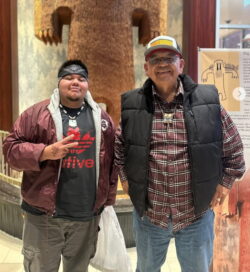
Awi Gustufson (Pit River) will study traditional Pit River sinew-backed recurve bow building through hands-on mentorship with Radley Davis. This apprenticeship focuses on replicating a traditional yew wood bow using ancestral construction methods, guiding the apprentice through locating and harvesting wood, preparing deer sinew, and applying natural fish or hide glue for strength and recurvature. Training emphasizes patience, precision, and respect for natural materials, while teaching the cultural, spiritual, and practical significance of bow-building within Pit River life. The apprentice will also learn traditional shaping, heating, and finishing techniques using hand tools and natural materials, understanding how bows serve not only as hunting tools but as expressions of identity, artistry, and spiritual protection. Through this intergenerational transmission of knowledge, the apprenticeship supports cultural preservation, self-sufficiency, and the continued practice of a sacred Pit River tradition.